

It cannot be denied that the current pandemic situation is the very definition of “trying times.” With all the uncertainty flying around, it’s easy for adults to be anxious, imagine what it must be like for our children. But, resilience and endurance are excellent traits that can be modeled to those not yet experienced in challenging life situations.
Several of my more recent posts have been dealing with fear, and how we can ease our worried minds. Children tend to be more sensitive to what’s going on in their environment and, especially to what the adults around them are saying and feeling. Below are a few tips on engaging with children–and adults–during stressful situations.
Talk openly about your feelings and invite them to talk about theirs: Children need to know that what they’re feeling and thinking is normal and that they can lean on their elders for wisdom and support. Above all they know that they are loved and that you will get through this together.
However, if your anxiety has sent you off the rails, it would be best to talk to them when you are calmer and can be open to whatever they have to say. Get guidance, if you feel you need it or have a good friend offer you calm reassurance before engaging in a conversation with your children.
Turn the experience into an adventure: Children love adventure. One of their best qualities is to look at the world through curious, innocent eyes. This is a trait we, as adults, would do well to learn from our children.
Join them in writing, drawing, painting rocks, or making a scrapbook concerning the things they see going on around them. Ask them what they think should happen or how they could help. Make it fun. If they can’t play with their friends, maybe they can video chat with them or better yet, have them send a letter or a card like you might have done when you were younger.
The curious mind is a creative mind and a creative mind finds unique solutions to challenges!
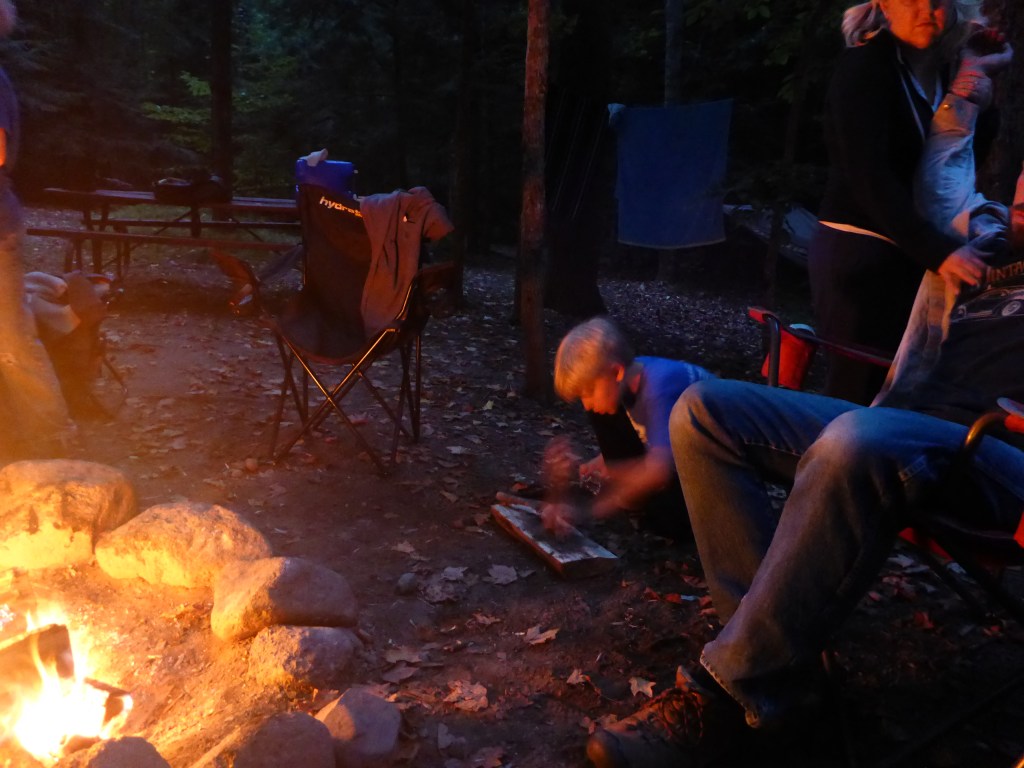
Tell stories: Tell your children stories of challenging times that you faced when you were a kid and how you dealt with it. Invite them to tell you their stories. It’s okay if the stories are made up, all stories tell us something about ourselves.
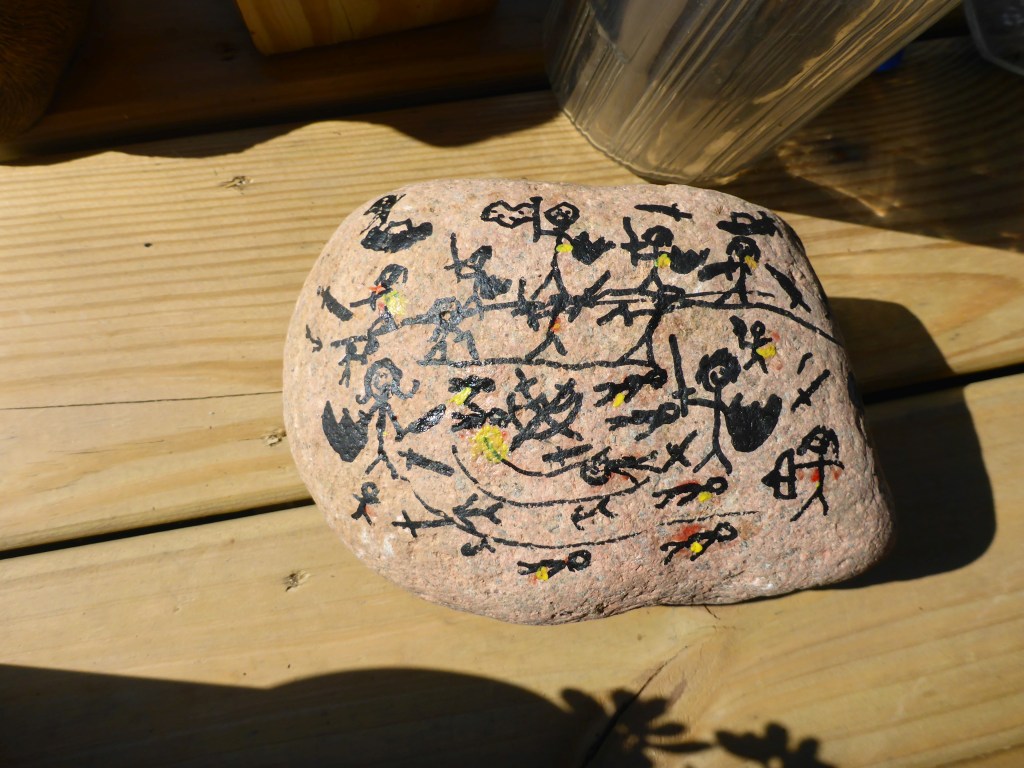
Have them draw pictures or make a video to go along with their stories. Start a group where they can share their stories with other kids. My grandson once drew a whole story onto a rock and then regaled me for twenty minutes about what all the figures meant. It was quite an adventurous story!
Go outdoors! Fresh air, exercise, and sunshine are the best medicines. This goes for the adults, too. Take the adventure outdoors. Teach your kids to be observant. What critters or plants or rocks do they see? Have fun looking them up and identifying them.
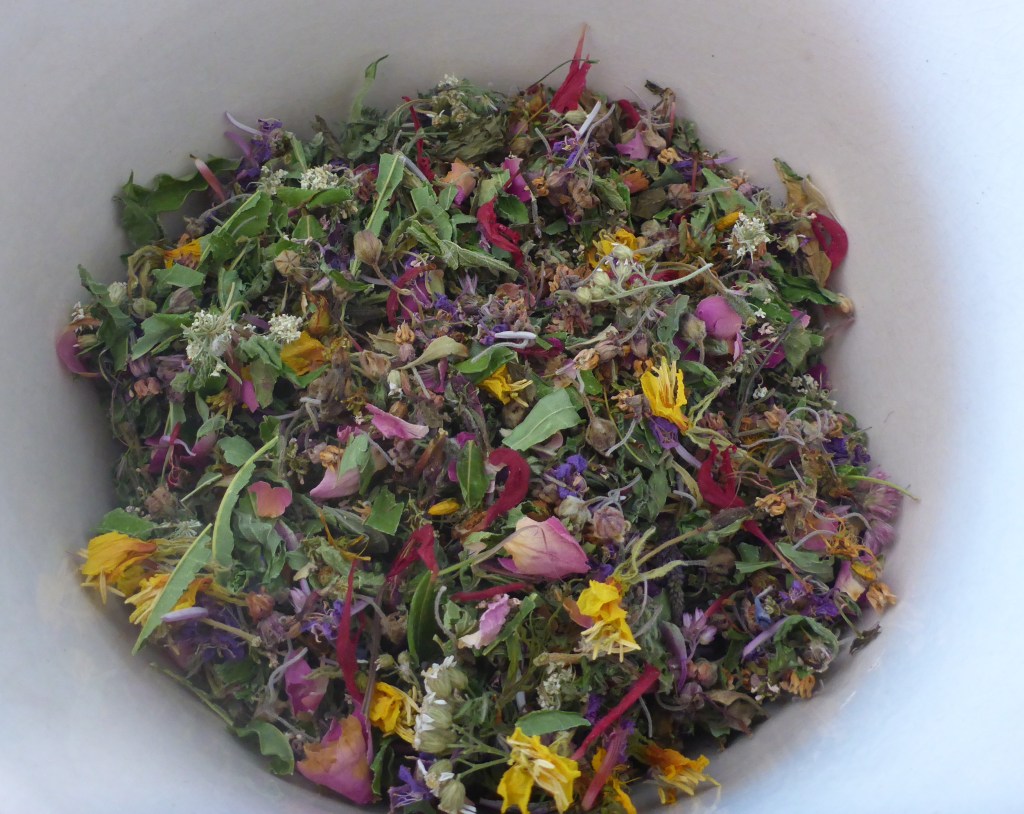
One of the best adventures I had with my grandchildren was to have them make their own Plant ID books. We went out and gathered a few common herbs–just a few leaves and/or flowers, then pressed them between layers of newspapers. I asked them to have a conversation with the plant and see if it had anything to tell them. (Their answers were amazing!) After the plants were sufficiently dried we glued them into a scrapbook with notes on what they might be a remedy for.
Later that summer one of my grandson’s friends got stung by a bee and he said, “Here, let me get you some plantain!” He had his friend chew the leaf and press the paste onto the sting. Within minutes the pain was gone.

Plantago Major
NOTE: There are many SAFE uses for common plants. Get a book on medicinal plant identification or go to Eat the Weeds.
Above all, teach your children the value of treating Nature with gentleness and respect.
Learn something new: Learning is an excellent diversion from stressful situations, especially hands-on learning. Teach your kids how to plant a garden (you can easily grow food in a pot), cook a meal, how to make a campfire, do the laundry, perform simple car maintenance, balance a checkbook, or any other practical life skill they may not already know. YouTube has an unlimited supply of How-To videos. Productive activities build confidence and assurance that anyone can manage during difficult times.
Create Routine: Like everyone, your family’s lives have likely already been disrupted by this pandemic. With so much of the future unknown and uncertain, routine helps to create comfort and reassurance, that there is something tangible we can count on. Even keeping simple things like meals and bedtimes on a regular schedule will go a long way to soothe your children’s minds. If you cant stay at home with them, let them know you’ll be checking in regularly to see how they’re doing. Perhaps a trusted neighbor or family member can also check in to see how things are going or just to chat.
Pray or Meditate: Studies have shown that prayer and meditation are wonderful practices to calm and soothe. Anyone who regularly engages in these practices can verify these findings. Simple mindfulness can steer the mind away from anxious thoughts and toward inner peace. Trusting in a power greater than ourselves teaches us to let go of things we annot control and lean into quiet acceptance. When the mind is calm, we can more clearly hear our inner wisdom and know the right thing to do and the right time to do it.
These are just a few suggestions to keep your children engaged, relaxed, and open to possibilities. I’d love to hear your ideas.
Blessings and Prayers for Peace,
Melody




 I awoke today in the dark pre-dawn hours to the news of the Las Vegas shootings. A familiar and heavy pain in my heart deepened as I groaned, “Not again!” I scanned my social media accounts over my morning coffee, scrolling through comments that have become heartbreakingly commonplace: “When will it be enough?” “What is wrong with this country?” “How bad does it have to get?”
 Perhaps the thing we need the most to quell the explosion of violence in our communities is the thing we need the most in ourselves: To be heard. To be seen. To be honored. To be understood. To be loved. To
  Here in the U.S. the season of Harvest is complete and Fall has arrived with Winter right on its heels. Fall is where we prepare for the fallow season of Winter. In Five Element wisdom, Winter embodies the processes of hibernation, death, gestation, and stillness; it is the season where doing nothing is the right and perfect activity. These forces are at play in both the natural world, and in our inner landscapes.
 The power encoded within the act of retreating from our everyday lives is perfectly reflected in this poem by David Whyte.
 Fire, on the other hand, provides the heat of passion that is necessary to carry out our creations. This essential element both warms our hearts and our homes. It brings light to our work, our vision, and our soul. Light shows us the unadulterated truth, revealing our flaws, and our brilliance. Both physical and spiritual light are needed to carry out our work. But too much enthusiasm (Fire) and we’ll keep working and reworking our art until it becomes a muddled mess.
 If you find yourself stuck in either an excess or deficiency of either Fire or Water, consider how you might bring a little more balance to these elements.
 In the heated debates of the current political arena I find myself both incredulous and frustrated, sometimes hysterical with laughter and other times quaking in my boots. People are pairing off, dueling with harsh words of opposition or reciting endless lists of factual and imagined grievances of the opposing position. Sometimes it reminds me of the riot scene from the movie
  Find some areas of commonality. Believe it or not, most people’s core concerns, even those on wildly opposing sides, are often quite similar. If opposing parties can find even one shared common interest, the door may open to more expansive conversation. In doing so you just might see that even though you may vigorously disagree as to the possible solution to a particular problem, you are united in your concerns and aspirations. Talk about your fears and hopes, your dreams for the future. Sometimes just speaking about these things out loud and being truly heard by another can reset our fear cycle.
 Lastly, try to remember that we’re all struggling to find our way. In order to respond effectively in times of fear it’s important to stay grounded yet flexible, to stand clearly on what you know in your heart to be true yet remain open to seeing the world through another’s eyes. It’s important to hear others and to be heard. If you are truly grounded in your convictions, temporarily looking at the world through the eyes of another will not weaken your position but may just open your heart. Examine your core beliefs and don’t be afraid to have them challenged. If you cannot stand for your beliefs to be challenged perhaps they are not serving you as well as you thought. Try to find compassion for those that scare you the most. Honor and respect your fear, not to let it overwhelm you or render you immobile, but to alert you to what really matters in the present moment.

 Soul of the Seasons: