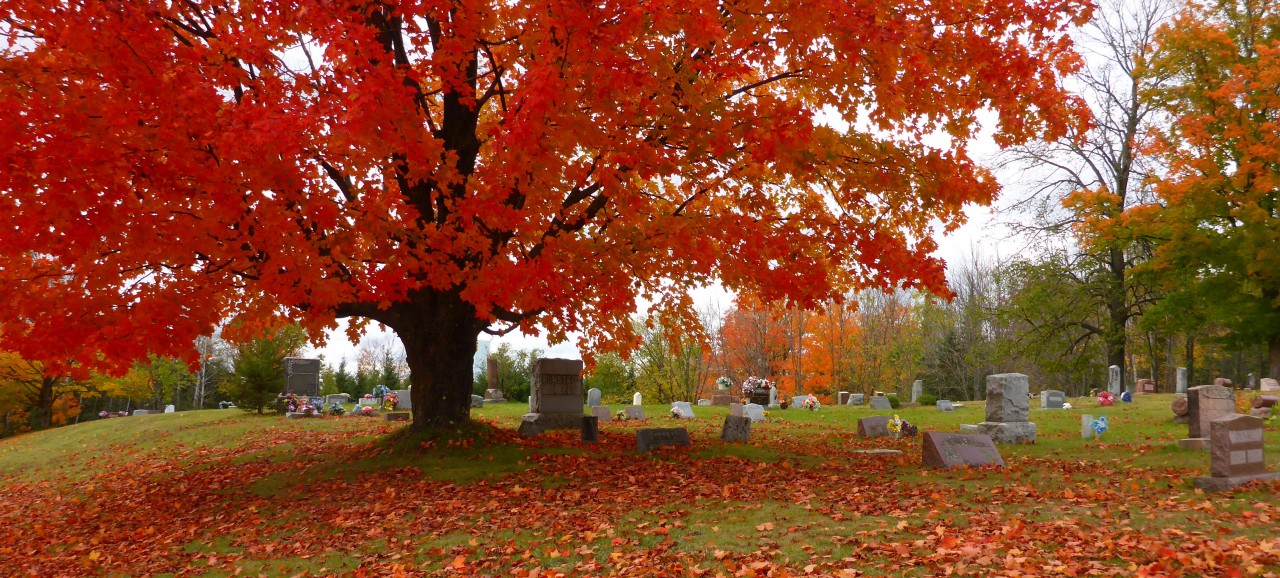
Protecting Yourself During a Pandemic

With the hysteria levels off the charts concerning the spread of Coronavirus it’s easy to forget some of the basic tenets of maintaining health and preventing illness. The constant barrage of conflicting information can leave us confused and reactive. Five Element medicine, the impetus for the creation of my book, Soul of the Seasons, provides an excellent foundation in maintaining balanced health and well being.

I’m not going to overload you with more information on virus protection or how to sanitize your home, you’ve likely already have more than enough data on that, instead, we’ll focus on the benefits of holistic self-care. Holistic self-care is more than stocking up on the latest superfood or learning specialized body work techniques, it’s also about creating balance and harmony in our intellectual, emotional, and spiritual bodies.
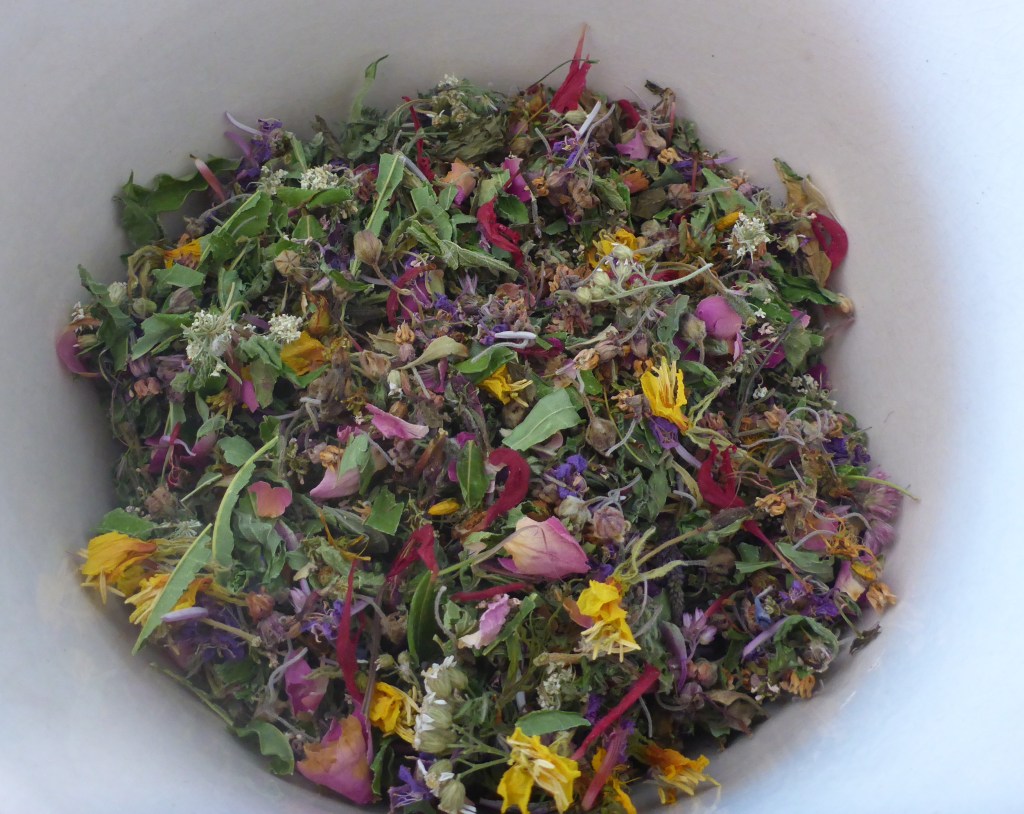
Northwoods Herbal Tea

Whether it comes to choosing a food plan, selecting the best herbs to boost our immune system, or deciding whom to allow into our inner circle, when we know ourselves well, we’ll make the best decisions because we understand who we are at our core. This applies to everything that influences our inner and outer landscapes.

In Soul of the Seasons: Creating Balance, Resilience, & Connection By Tapping the Wisdom of the Natural World, each of the five seasons of Spring, Summer, Harvest, Fall, and Winter offers unique ways in which to support and strengthen our whole being.

To support our emotional well-being, we must develop healthy and balanced relationships with the core emotions of Anger, Joy, Sympathy, Grief, and Fear. These emotions are essential in helping us to navigate the ever-changing seasons of life. For example:

  • Anger serves to remind us when an injustice or boundary violation has occurred. Creating healthy boundaries creates an environment of safety and security necessary to maintain balance and harmony
  • Joy is the expression of a healthy heart and builds resilience through connection, communication, and community. Studies show that joy, happiness, laughter, and play strengthens our immune system.
  • Sympathy allows is to relate to others with understanding and compassion and gratitude for all we have been given. These qualities can and should extend to ourselves and are essential components in nurturing ourselves and others.
  • Grief is the expression of a loss of the things we have valued and loved. It teaches us the invaluable skill of letting go and respect for the fragility and beauty of life.
  • Fear activates our internal risk assessment department. When we notice feelings of fear and anxiety, it’s our signal to take a moment to stop and evaluate the situation, gather the skills or tools we may need, and make any necessary adjustments to manage any potential threats.

I want to focus a bit on the core emotion of fear in this post because our relationship with fear is critical when dealing with threats, whether they be existential or perceived. The level of fear surrounding Covid-19 is off the charts. Facts, fiction, and superstitions about prevention and contraction of the virus have been examined, refuted, and contradicted by conventional news sources, social media, and everyday conversation.

Too Much Information is a real thing. Deluged by too many “facts”–especially those steeped in fear–causes the mind to shut down and/or go into survival mode. Operating from this mode, we revert to our lizard brain where we are more likely to react defensively and out of fear, instead of making clear choices that are best for our bodies and our situation. Overwhelmed and confused, we may run around grabbing everything and anything we believe might help us or, we can become immobilized, unable to make any decisions at all.

Our best antidote to fear overload, however, is peace and quiet. Though it may be tempting to research all the available data, in order to make quality decisions, the mind needs to go on a fast. Taking a break from all media and sitting quietly in nature (especially near water) is one of the most useful tools in making quality decisions.

Quality rest is another valuable tool. Sleep and rest keeps our mind, body, emotions, and spirit in top form. Over-work and sleep deprivation are hugely detrimental to our immune system and make us vulnerable to illnesses such at COVID-19. Lack of quality rest can adversely inhibit everyday function more than alcohol ingestion.

To Review: To improve your mental, emotional, and physical health…Do Nothing.

Rest, gardening, laughing with friends, feeling gratitude for the sweetness of life, and valuing what is most precious to us are all excellent ways to stay healthy and ward off illness.

My book, Soul of the Seasons, contains many thoughtful questions, guided meditations, and exercises designed to create and restore balance and harmony in our inner and outer landscapes. Read more about how the natural world can help us navigate the seasons of life with more grace and resilience.

Word for 2020: JOY

I haven’t been on social media much lately. The Holidays combined with feeling a bit under the weather has had me hibernating. It’s been a good time to reflect on the past year and to call in my word for 2020. For the past several years I’ve been choosing a word on or around New Year’s Day to represent what I want to experience in the coming year. My word for 2019 was Adventure, and what a year of adventure it has been! (Note to Self: Remember to be specific!)

My word for 2020 >>>>JOY<<<<< has already been popping up for me in various ways, calling me to incorporate this powerful core emotion into all areas of my life.

Often we treat joy as an afterthought, a luxury to enjoy when we achieve our goals or as a reward for hard work. But JOY is essential to our health and well being. It keeps our heart healthy and infuses warmth, laughter, pleasure, happiness, play, and passion into everything we do. Joy keeps us going through the long haul and warms us during Winter’s darkest nights. It is the perfect antidote to our chaotic world.

Joy is soul food. It is the main ingredient in any act that produces happiness, laughter, beauty, sensuality, and play. Joy is what we endlessly search for in our journey to feel complete, to feel whole, to belong. Joy gently calls us to reconnect with our hearts. It is the sacred emotion that allows us to feel lovingly allied, both with The Divine and with humanity.

…from Soul of the Seasons: Creating Balance, Resilience, & Connection by Tapping the Wisdom of the Natural World.

Beginning January 1st, I’d like you to join me on a special Facebook page I have created dedicated to expressing and inciting more JOY. (To join click on: 90 Days of Joymongering.) On this public page you are welcome to post whatever makes you smile, whatever brings a giggle or makes your eyes light up. There are no rules with the exception that your posts must remain respectful. I want you to share with me those things that light up your life and bring you happiness, and I will do the same. Join me in bringing more light and warmth into the world.

You may also want to read the segment The Core Emotion of Joy (in the chapter on Summer Fire) in my book, Soul of the Seasons: Creating Balance, Resilience, and Connection by Tapping the Wisdom of the Natural World. I encourage you to answer the questions and complete the exercises on pages 182 – 185.

I wish the very best for you in 2020. May this be the year your heart cracks wide open to love. With Warmth and Abundant Joy, Melody

How Journaling Uncovers The Secrets Of Our Soul

If you’ve been reading my book, Soul of the Seasons: Creating Balance, Resilience, & Connection by Tapping the Wisdom of the Natural World, you know that keeping a journal is an integral part of the journey through the seasons. Journaling can help you track your insights and progress as your mine the wisdom of the seasons. Guest blogger and author, Mari L. McCarthy has written this helpful blog that includes some excellent questions for journaling through the seasons.Melody

In the book, Soul of the Seasons we are encouraged to get back in touch with the natural world and the innate rhythms and cycles that guide our own lives. When we find balance in each of the five seasons, or passages of life – Spring, Summer, Harvest, Fall and Winter – we get to know ourselves better and seek meaning, purpose and connection in small and large ways. 

Just as the natural world transforms itself every year in distinct seasons, we also go through our own internal seasons. Regardless of what month it is during the calendar year, we’ll be in the midst of a period of growth, connection, abundance, loss and/or reflection.

How to navigate our inner seasons?  Journaling is our best co-pilot.

Journaling is a simple but powerful daily practice that helps us process what we are experiencing right now. In our journal, we have the wide open spaces to explore and express our raw thoughts and emotions, understand them more deeply and move forward.

My Journaling Journey began in the winter of 1998. I started journaling, specifically with Julia Cameron’s Morning Pages, for physical therapy, to teach my self how to write with my left hand when an MS episode took away most feeling and function on the right side of my body.

Journaling introduced me to my now favorite 4 letter “F” word: “Feel” and helped me rediscover my creativity. What a surprise that was! I started hearing rhymes and began writing poetry for the first time ever. My Journal helped me reconnect not only with My Writer and My Singer and we’re creating my first album, Practically Romantic.

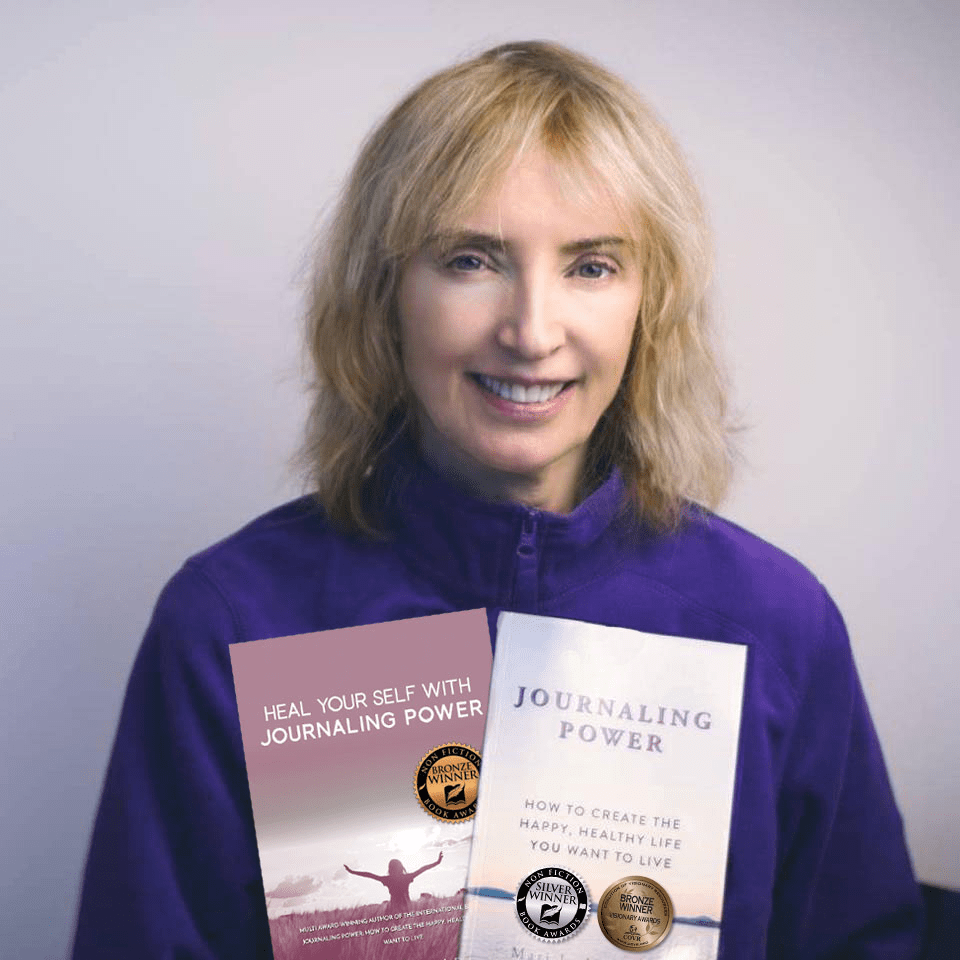
In addition to providing her therapeutic acumen in recovering long buried talents of my mind, body and soul, she’s been a great muse/mentor in writing my award-winning self-help memoirs: Journaling Power: How To Create The Happy, Healthy Life You Want To Live, (my inner seasons journey) and Heal Your Self With Journaling Power (the inner season journeys of 10 other journalers).

Above all, My Journal has guided me to inner peace and self-love and given me the courage to meet, manage and master my internal seasons challenges.

The following are some inner seasons exercises to include in your daily and seasonal journaling practice.

Spring

Spring is a time of birth and rapid new growth. As old makes way for new, spring inspires us to look at fresh possibilities and revise or recommit to our goals.

Spring Journaling Questions:

  • What new beginning are you looking forward to?
  • Are you doing any spring cleaning (of physical clutter, mental space, relationships, etc.)?
  • What new habits or goals do you want to make room for?
  • What do you like or dislike in a period of growth?

Summer

Summer is the season of maturation, connection, warmth and happiness. It is the moment when our aspirations have almost come to fruition – but may need a bit more development.

Summer Journaling Questions:

  • What have you been working on that you are excited to complete?
  • How do you want to share it with others?
  • What are sources of connection, communication or warmth for you right now?
  • When are you experiencing joy during this season? 

Harvest

Harvest is about abundance, nourishment and balance. It offers us an opportunity to take satisfaction in our hard work and share our abundance with others. 

Harvest Journaling Questions:

  • How do you define abundance?
  • When do you feel most rich, cared for or nourished?
  • How do you appreciate and share this season’s rewards with others?
  • When do you feel most balanced or at peace?

Fall

Fall is the season of acceptance and letting go. It reminds us that some things must come to an end, even if we don’t feel ready for that to happen.  

Fall Journaling Questions:

  • What do you struggle most with when letting go?
  • What did you learn the last time one chapter ended and another began?
  • Who or what do you turn to for support during difficult times?
  • What old grudges, hurts or other baggage would you like to let go of?

Winter

Winter is a time for quiet, reflection, rest and death. It often sparks fear because it is a step into the unknown – but if we ignore it, we only create more anxiety and distress.

Winter Journaling Questions:

  • What forms of rest do you find most restorative?
  • What are you afraid of or nervous about right now?
  • When were you scared of something, but you did it anyway?
  • How do you make room for quiet reflection in your day-to-day life?

Mari L. McCarthy, is Founder and Chief Empowerment Officer of CreateWriteNow.com. She mentors health-conscious people in using Journaling For The Health Of It to heal the issues in their tissues and transform their life. She is the multi award-winning author of Journaling Power: How To Create The Happy, Healthy Life You Want To Live and Heal Your Self With Journaling Power, She is the creator of 20+ life-changing Journaling Power eWorkbooks.

Emotions: Our Inner Guidance System

From Soul of the Seasons: Creating Balance, Resilience and Connection by Tapping the Wisdom of the Natural World

“The body, as a finely tuned instrument of discernment, recognizes each emotion through its unique vibrational imprint. Anger physically feels different than sympathy, and joy feels different than grief. Through conscious awareness—the ability to identify the specific vibrations and resonances of our emotions—we can navigate life with harmony and balance. 

“Our bodies possess an innate intelligence, one that is infused into our very cells. Each cell is encoded with the ability to transmit information. Our cells are created with their own intelligence. They possess an awareness of themselves, of all other bodily cells, and of their surrounding environment. This sophisticated system of internal (and external) intelligence through cellular communication provides for seamless bodily function without the need for active conscious thought…

“Recognizing the physical resonances unique to each emotion can help us become more responsive to the circumstances at hand, instead of reacting out of impulse. When we pay close attention to our emotional signals, we can identify what we are feeling in the moment—the only place we have the ability to make a choice.”

“With this conscious awareness, we can more artfully navigate the difficult seasons and appreciate the inviting ones. We can fulfill our unmet needs instead of repressing or self-medicating our feelings away.”

To your copy of Soul of the Seasons: Creating Balance, Resilience and Connection by Tapping the Wisdom of the Natural World click here.

To order a personally signed copy of Soul of the Seasons: Creating Balance, Resilience and Connection by Tapping the Wisdom of the Natural World please email me at: seasons@sparkolife.com

Contact me at: seasons@sparkolife.com for multiple copy discounts for thoughtful holiday gifts or for your book club! Soul of the Seasons makes an awesome gift!

From one reader: “I’d like to order 10 copies of your book. This book is special and must be in the lives of some of my closest friends and family members, along with myself. I cannot wait to go back through it…”

The Five Seasons of the Writing Process

Note: Although this post is written on the Writing Process, the stages outlined below apply to any creative endeavor.

Life passes through seasons, and everyone and everything are influenced by them. My upcoming book, Soul of the Seasons, discusses the seasons (Winter, Spring, Summer, Harvest, and Fall), the wisdom that they provide, and how our inner lives reflect them.[

As an author, I have found the above to be truest during the writing process.  Like all of life on earth, each writing project possesses a birth, a period of new growth, a time of maturation, a time of harvest, and a time for things to fall away.

Winter: Gestation & Germination.

Writing begins with an idea, a fertile seed that falls softly, seemingly randomly at times, into our consciousness. We might read a headline or overhear a conversation; or we may observe something unusual, and an idea begins to gestate.

Sometimes these seeds lay dormant for years until they germinate, and this period of dormancy is the creative cycle’s Winter season. Things are dark here, and it seems like nothing’s happening. But the fertile ground of our imagination provides the perfect environment for our sprouting ideas, and a tiny root is sent deep. Soon, we’ll see if our idea has what it takes to move to the next season of the writing cycle. It’s good to remember that not all seeds sprout or grow into mature plants.

Visions of Spring.

If our story idea has enough potential, it will poke its head above ground in Spring. We get excited. Ideas spill out everywhere. We might find ourselves scribbling notes at odd moments and daydreaming about characters and storylines. Our vision starts to nag at us at all hours, begging us to write it down! Writing furiously during stolen moments or late into the night, we create our first draft. It’s gangly and wordy and rambling, but it’s finally down in tangible form.

Summertime: Maturation

After a season of explosive new growth, our story needs our help to mature. We now must shape and structure our story idea. If we are not careful to support our seedling story, it may wither and die.

Summer is when our visions are brought to fruition. We notice a particular scene that has wandered into a dead-end alley or a character who needs more development. We might realize the plot needs a better foundation so that the story is logical and cohesive. We prune here and feed there. We water, cull the weeds, and pull up withering plants. We might invite others who are wise in the ways of tending stories to help us. We revise and revise. And revise. It becomes shapely, full-bodied. Our piece begins to resemble that glorious vision we first saw in Spring. It’s nearly ready for the picking.

An abundant Harvest.

Harvest is the time when we find sweet satisfaction in all the hard work it took to bring our project to this place. Though we might still tweak things a bit here and there, it’s time to share with others the product of all our efforts. During this phase, we might send our manuscript to beta readers for their feedback. We hope that others see our work, passion, excitement, and dedication. We dream that, in some way, it will feed their creative seeds too.

Fall: The Great Letting Go.

Now, we must let go. We send the fruits of our efforts to editors, agents, or publishers, generously sharing what we have created with the world. Fall is the time to evaluate what needs to be kept and what must come to an end.

Many authors speak of a sort of post-partum depression when they release their work into the world. Grief, the natural emotional response of letting go of something you love dearly, occurs in the season of Fall. The longer you have worked on a project, the deeper the grief may be.

Often during the writing process, we come across seeds for new story ideas, and we carefully tuck them away until they are ready to sprout and take shape. These ideas will give us something to ponder during our next Winter season of the writing process. But, for now, we can respect and honor that we had what it took to create, shape, mature, and produce our work. In Fall, we value all we have received and all we have been given during the arduous creative process. Soon, we will once again begin the mysterious, magical, rewarding cycle of creation.


About this post: I first learned of these concepts when I began to study Plant Spirit Medicine, a healing modality that blends Five Element medicine (a traditional Chinese Medicine) with indigenous plant spirit healing.  Five Element medicine is a dynamic system of balance and harmony based on the premise that, “Everything has to do with everything.” Like the pieces of a mechanical clock, the dynamic system of life is comprised of seemingly endless parts, all moving and shifting together with precision. And, just as the separate parts all have a purpose and function, they only perform this function as a part of the whole.  

Melody A Scout is a plant lover, speaker, teacher, spiritual advisor, and a writer of both fiction and non-fiction. During her Plant Spirit Medicine course she began writing her soon to be released book, Soul of the Seasons. Melody continues to engage with the healing power of her plants friends through her healing practice, as a teacher, and, as a landscape designer and consultant.

Contact Melody at:

seasons@sparkolife.com 

Facebook Pages:

A Spark of Life Landscaping

Plant Spirit Medicine by Melody

Am I Repeating Old Patterns or Engaging in a Healing Crisis?

I’ve been in a bit of healing crisis lately, one that has sent me to bed for several days to recover. These difficult passages often create symptoms that show up as spiritual, emotional discomfort that also manifests in the physical. Symptoms of illness can surface as we make ready for a new chapter in life. Transiting from one season to another is stressful and it’s natural to resort to old coping mechanisms. It’s not uncommon to feel restless, disconcerted, and cranky as a result. 

I’m guilty of possessing what can be a hyperactive inner critic. When I’m not feeling well, either emotionally or physically, my first response can be to wonder what I’ve done wrong. I might ask myself, “Did I eat the wrong thing or stay up too late or forget to take my herbs? Is there something I need to uncover or process or forgive? Maybe I need to meditate or pray or get outdoors more.” More often, however, what I’m experiencing is a natural response to a challenging life passage. 
This is exactly what happened to me this past week as I welcomed in a new phase while letting go of some wounds of the past. 

My book is getting ready to go to print and this a HUGE step for me! As part of this process I am simultaneously planning for a new season of growth and releasing of some old patterns and behaviors. So, it was not really a surprise that my decisions have brought up some old fears, self-doubt, and negative thought patterns.

As I battled what felt like a sinus infection and exhaustion, I wrestled–hard–with my harsh Inner Critic. I became overwhelmed with feelings that I could or should be doing something more, something better. Even though I was aware that I was undergoing a huge transformation, I’d forgotten to practice what I often teach my clients: to be gentle and generous with myself, to stop struggling, and allow for a changing of the seasons

“Sometimes your last resort is your best resort.” –Marianne Williamson

Struggling against my discomfort was exhausting and it soon showed up in my body. My sinuses were so inflamed even my hair hurt. I retreated to my bed, feeling alone and pitiful. This time, however, instead of judging my discomfort to be the result of some personal failure, I reminded myself it just might be a signal that a healing crisis is underway. So instead of letting my unforgiving Inner Critic run the show, I asked, “What do I need right now? What is my body and soul calling for?” The answer was immediate, “Rest, support, and gentle compassion.”

Though there were still many details in getting my book ready for print and, I needed to prepare for an upcoming speaking engagement, I cleared my calendar for a few days. I also took a much needed media break and made an appointment with my healing practitioner. I supported my body by taking herbs and drinking lots of fluids. 

Though asking for help does not come natural for me, I engaged in some loving self-care by texting a few of my close Mamma Bear friends, requesting their love and support. Within the hour I received their loving responses. They offered prayers of healing and kind, nourishing words. Another friend brought over some home made soup. Flooded with tears of gratitude, my exhausted spirit drank in the much needed nurturing, providing me with the strength to face old feelings of unworthiness and loss that had surfaced as a result of my commitment to finishing my book and releasing it out into the world. 

Though the release of my grief and self-condemnation was intense, when I stopped resisting, it passed relatively quickly and soon I was feeling more like myself. I know that, though the process may be uncomfortable, my discomfort will soon pass if I surrender to the season at hand and don’t allow myself to become enmeshed in old behaviors and coping mechanisms. I can gently remind myself to enter into the change of seasons with a generous compassion, one that will welcome in a new period of growth. 

Seasons of Reflection: How do you respond to uncomfortable feelings or situations? How to do engage in gentle self-care? What is your soul asking of you?

Finding Comfort in the Uncomfortable

St. George Island, Florida

As we navigate life’s passages we are bound to come across interactions with others that turn out, shall we say, less than ideal. Misunderstandings, triggered hurt feelings, and surfacing resentments can all be part of the soup involved in navigating relationships.

Past wounds can cause us to lash out in defensiveness or to withdraw, protecting our tender spots. Often we may do both. We may admonish others (or be admonished) to be more thoughtful, to choose better words, or adjust our tone–to be civil. Sometimes, however, this admonishment is simply a tool used to protect wounds, to keep us safe.

Last week I got my feelings hurt–twice, in two days. Hurt feelings are not a new experience for me, by any means, but the intensity of my upset seemed out of proportion compared to the actual events that triggered them. Over-reaction (or under-reaction) is always a signal to me that something bears a deeper exploration. 

On the surface the two instances seemed very different. The first one was in-person and with someone I have been in relationship with for many years, and the second was with a more casual friend on social media. Stepping back from these two experiences a bit I realized there were some similarities. First, though the event itself was fairly minor, I realized that I had inadvertently triggered a huge amount of defensiveness in both people. Secondly, in both cases I felt that I had been misunderstood and/or misinterpreted. I also noted that in both instances, the other parties had used anger followed by cutting me off verbally as defensive coping mechanisms.

In that past, one of my go-to coping tools when confronted with conflict was making nice. Growing up, I was assigned the role of family peacemaker. It was certainly a needed role as family life during my childhood was rarely peaceful. When you are the peacemaker, however, your emotions and needs are often not part of the equation, So, while I became proficient in speaking up on another’s behalf, I was unaccustomed to speaking up for myself. 

Although I have never been shy about stating my opinion, learning to speak up on my own behalf has been an adventure awash with discomfort. Speaking up meant I would have to invest enough value in who I am to stand up for myself. It meant I would have to believe in me. It also meant I would have to risk being the target for another’s misplaced hurt and pain.

Growth, by its very nature, demands a break from the status quo. An acorn will never become the mighty oak if it refuses to burst out of its shell. Breaking free of the protective shell we’ve constructed around our past wounds is guaranteed recipe for discomfort. It’s messy and comes in fits and starts. It also requires vulnerability and tenacity…and rigorous self-honesty. But it is so worth our effort.

In my case, suppressing my feelings in favor of peace, however, has only led to despair and burning resentment. Long ago I made a commitment to forgo any temporary emotional discomfort I might have in favor of dealing with the hard stuff. To me this felt more honest, more authentic–even at the risk of being misunderstood. This process, of course, is always a work in progress. And I need to remember that bot everyone is ready to take the same step of breaking out of their protective shell, just because I am.

Neither instance from last week turned out the way I would have wished.
Being understood is important to me. In both circumstances I felt misunderstood and rejected. It hurts when others don’t seem to want to take the time or effort to hear me out. One party claimed my “tone” was the cause of their disrespectful response and the other decided to end the conversation abruptly–part of their go-to coping tools, I suspect. And even though, due to old conditioning, my first instinct was to soothe their discomfort and then go to great lengths to be understood, in both instances I spoke up on my own behalf, made several attempts to resolve the issue, and then released the other parties to their own choices. To me, the comfort of choosing behaviors that felt grounded in integrity and honesty far outweighed any discomfort over feeling rejected and misunderstood.

Seasons of Reflection: Emotional discomfort is a signal, an alert to the need for growth. How do you deal with emotional discomfort? What is your go-to when someone pushes your buttons or challenges your favored coping mechanisms? It may be time to reassess your coping tools. How can you welcome the growth you desire?

Betrayal: An Opportunity for Growth

DSCF7799aYou haven’t lived on this earth very long if you haven’t been betrayed by someone you love. Few are exempt from this deepest and cruelest of heart wounds. We have all been betrayed by lovers and parents and children and churches.  Beloved teachers, best friends, or business partners may have lied, cheated, or stolen from us. Perhaps someone in whom we invested trust has carelessly exposed our most private thoughts and behaviors. Communities may have let us down, willingly sacrificing us in order to preserve image, maintain the status quo, or to keep its dark secrets hidden.

Betrayal is the common thread (more like barbed wire) that runs through the recent stories of  the sexual assault of women and children by those in power. Even though we as women have been all too aware of the pernicious nature of this type of abuse, we are still shocked, stunned, saddened, and enraged by its prevalence. The betrayals by those whose position is meant to engender our trust, wounds us anew.

When we are betrayed by someone close to us, we often say we are cut to the heart, that we experience heartache or heart break. We might even feel a palpable pain in our chests during these moments. Because betrayal always involves a breaking of trust, it naturally involves the heart because the heart is the point where we open to others our most intimate selves. It’s where, in a moment of vulnerability, we let our guard down. In essence, we have given the gatekeeper to our most vital Sacred Official the okay to let in those we believed we could trust.

Rape, incest, and sexual abuse are most egregious of wounds because  it represents a heart betrayal of our innocence and sacred intimacy.

In Five Element medicine, Heart is one of the four officials that governs the season of Summer. Summer engenders the core emotion of joy and the fundamental element of Fire. The ancient masters saw Fire as a symbol of warmth and connection, balanced maturation, and the refinement process. Heart, the Sacred Official of Summer infuses all we do with a rich and vibrant sensuality. Heart guides and connects us, through the warmth of community, to our place of belonging, a place where we feel safe to be our most vulnerable self. The balanced states of joy, play, laughter, sensuality, sexuality, and open communication can only be fully experienced in a state of vulnerability and vulnerability requires trust. We cannot close the gates of our heart out of self-protection and enter into love, it simply isn’t possible.

“The ritual sacrifice of its members by their communities through racial and political divisiveness, sexual abuse of children by their own clergy, the criminalization of the homeless and the poverty stricken, and, through government and corporate sanctioned ecological annihilation has left us, its members, splintered, bitter, and disillusioned. Betrayed and lied to by those intended (and often paid) to protect us—those whose job it is to serve our best interest and the best interests of our community—we feel no choice but to withdraw our trust. Our faith in community shatters. We may even come to hate what we once so deeply loved. If we don’t find a way to correct our broken-heartedness, we are in danger of lapsing into bitter cynicism.” –from Soul of the Seasons, by Melody A Scout (c) 2018

One of the first steps we can take to heal our heart wounds is to summon a deep compassion for ourselves. Gently, and without judgement, we must begin to look at our injuries with unvarnished honesty and integrity. We must honor and respect the all the emotions that naturally well up in us as a result of our betrayal. We must own the power and mystery of our anger, joy, empathy, grief, and fear. We must surrender to the Divine our darkest thoughts, as well as our light.

This takes unbelievable courage.

Another important step in healing from betrayal is to remember we are not alone. Thousands of other gentle souls have walked similar paths. Many are here to support, encourage, and guide us along our way.  A trusted few are here to teach us better ways of walking in the world, how to find our voices, how to forgive, and how to claim our light. They are here because they have traveled the hard road before us and have returned to show us the way out.

sword-forgeThis is why I do what I do. I believe in YOU. I believe in the power and glory of your kindness as well as the sanctity of your rage. I know, from personal experience, that, in spite of your pain, despair, or anger, you can move forward into the light, that you can transform rage into right action and fear into a new vision of the future. I also know that some part of you knows it, too.

  • Reach out to someone today. Whether you are in need encouragement and support or, if you have traveled this path before and you have gained some light to show others the way, connect with others who have similar visions. Loving community is where the heart thrives.
  • In moments of stress, take time to pull inward and ruminate on your options. The greater the challenge, the more time to allot for reflection and contemplation.
  • Find a safe, supportive environment to express yourself. Heart wounds can leave us vulnerable to manipulation and being further wounded by others’ insensitivity. Wait until you have constructed a good foundation before your build your new vision and head out into the world.
  • Remember to temper your anger with kindness, your passion with periods of rest, and your fears with calm reassurance and the knowledge that new visions are on the horizon.

I send you prayers of strength, courage, and heart-centered resilience.

With Love and Grace,

Melody

Intuitive Spiritual Advisor-Coach/Pet Communicator

Valuing Our Loss

IMG_2747          The Season of Fall is upon us. This is the season of letting go, of loss. Encoded within this passage is the core emotion of Grief. As one of the most difficult journeys to confront and traverse, the precious gifts we receive in Fall come at a great cost. To fully integrate the lessons found here we must give our loss its due with honor and respect.
     Currently I am with my mother as she prepares for her last days on this earth. I’m grateful for the wisdom of the seasons during this time. Though Mom has been ill for some time, the grieving is still keen. Together with my family, we are supporting her as best we can through days filled with many unknowns. Though the lovely and precious support from family and friends has buoyed us all, it does not lessen the sharp pain of our loss.
     Loss and letting go are essential hallmarks of Fall. In the natural world, the deep losses at the end of the harvest are necessary to sustain life through the dark, cold winter and into the coming spring. It is a passage that cannot be hurried.
Pitcher border
     Our world often seems awash with loss. Grief, the core emotion of Fall cannot be managed or controlled. It cannot be rushed, pushed, or denied without consequence. It will have its way with us, like it or not. Without a sufficient container for expression for this powerful emotion, we can be plunged into deep despair, overwhelmed by hopelessness. Left unresolved, our grief can eventually erupts as rage and depression.
In a recent newsletter from Wise Woman Toko-pa I found these sage words about loss and grief…
 
“(W)hen I begin to feel despair about the insufficiency of our efforts, I remember that despair is what happens to us when we can’t grieve properly. It’s the grief that has no welcoming container, no place to express itself.
 
“I think we need to have more conversations in our families and communities about this threshold we’re on together.
 
“There is a driving force in us which wants to step in and make something useful of it all, turn it into fuel for transformation! But another, quieter voice says says stop. Don’t commodify this loss. Don’t be so hasty to write a new story, in which the events of heartbreak are made meaningful, before the magnitude of what’s been destroyed can be witnessed in its entirety.
 
“Yes, there will be a new world forming from the rubble. Yes, there is something valuable to take from this, I’m sure. But please, let us not turn this heartbreak into something useful just yet. If we do, we will be tempted to walk in our old ways. We will rely on tired words. We will make memes of ourselves.
 
“Is there a way instead to really bear witness? To let the fog of uncertainty obscure our clarity. To not know where or how we’ll live. To be fumbling and full of grief, because what we always counted on has been struck from our horizon. We may never be so magnificent again….
 
“(L)et us turn towards to the unknown in the hopes that we find there help us to learn how to walk in a new way, for a new world.”
 
cropped-p1000903a.jpg
     In the chapter on Fall in my upcoming book, Soul of the Seasons, I write of the arduous journey through this challenging season. Though the sharp sword of grief pierces our hearts, with patience and a willingness to become vulnerable to our losses, we can once again experience new life.
     “Though it may be impossible to comprehend it when our loss is so fresh, encoded within our grief lays an emotional paradox; that to fully honor and respect what we have lost—to confess just how precious our loss has been to us—is to memorialize our bereavement with a grace and dignity that allows us to start anew.” –from Soul of the Seasons.
Contemplation on Fall:
How do you feel about the season of fall?
What is your experience with grief?
What do you resist letting go of?
How do you honor and respect your losses?
Many Blessings,
Melody

Honoring the Mother in Everyone

IMG_4510a

The essence of Mother is to nourish and to be nourished. Our Mother Earth also satisfies and supports us as she envelopes us in the sweetness of life.” 

UPDATE: The above picture of myself with my mother and my daughter was taken a year ago shortly after my mother had entered the Hospice program. She was believed to have had metastasized melanoma or lymphoma, eventually becoming nearly bed ridden.

Over the summer her health gradually declined and last fall she was moved into a skilled nursing facility. Throughout the summer Mom’s friends and family came to visit her, spending what some thought might be their last visit. Mom, however, was not done with life. 

Garnering her hallmark sass and determination, Mom decided she was literally not going out laying down. Ignoring the cautions of her nurses and family she got up and started  to walk again, often refusing her wheelchair. Before long she went back to using a walker to get around.

I know better than to count Mom out when things get tough. Last month she took herself off Hospice, checked out of the skilled nursing facility, and got her driver’s license back. Her current diagnoses has been changed to Stage 1 leukemia for which she takes no treatment. She is now up cooking meals for my brother, playing the piano for church, and doing a bit of housework. Mom always said she wants to live to be one hundred years old. I believe she just might do it! Happy Mother’s Day, Mom!

JamesThe archetype of Mother is powerful and complex. Ideally, Mother offers us the freedom to explore our own power through the responsibility of making our own choices. She knows that making decisions provides opportunities to create lessons of wisdom through trial and error. Carefully she guides us in navigating the delicate balance between independence and interconnectedness. She does this, all the while enveloping us in her love and her cooking, safe in our contented home.

Wrapped in the protective womb of her body our Mother provides all the sustenance we need in order to fully form into a human being. Then, at the moment of our birth, we lock eyes with our mother, solidifying our very first relationship. Intertwined in the process of interpreting and meeting our physical needs, Mother, with her coos, ‘oos’, and ‘ahs’ reassures us with a sense of inner security. Our Mother sees to it we were cared for, quickly learning how to interpret our various cries and to satisfy our needs whether through food, attention, or a clean bottom.

Mother is our sacred empatica (Italian, feminine singular empath). She understands us in the most intimate of ways, knowing us body, heart, and spirit. Mother, as our holy witness, hears us in a manner that allows us to speak our deepest emotional truths. To be present as a holy witness for another is mothering on a most sacred level.

P1000124a

Sadly, some of us may have had mothers who have fallen woefully short of these qualities. We may have suffered terribly at the hands of the person we counted on most as a child. Or, perhaps as mothers ourselves, illness or emotional and spiritual malnutrition may have prevented us from giving fully to our children, or giving to them at all.

“We are all mothers and we all need mothering. We are all created out of our mother’s body.”

Our relationships with our mother are complicated. They can be fraught with both admiration and frustration. Men and women alike learn their mothering skills through of their mother’s example. More than likely, we have subconsciously adapted our Mother’s coping skills, we may imitate or completely reject the ways our Mom got her needs met.

But in order to create more balanced Mother relationships we must first determine the terrain of our relationship by holding it up to the divine light of truth. We must be willing to see our mother relationships exactly as they are, not just how we wish them to be or filled with the bitter disappointment of their lack.

The truth is most mothers are neither perfect nor perfectly horrible. Our mothering talents may likely fall somewhere in between June Cleaver, the perfect 1960’s TV mom, and Procne, the Greek goddess who killed her child out of vengeance and served him up for dinner to her husband.

Consider your relationship with your mother. Do you idealize your mother, refusing to admit to any faults to her mothering? Or, do you hold your mother to impossibly high standards, ones that she cannot possibly live up to? Do you expect more from her than she has the capacity to give?

To acknowledge our need for mothering, and then to lovingly tend to that need, creates a grounded sense of home within our bodies. This grounding instills a sense of inner satisfaction where there is little desire to manipulate nurturing from others others.

DSCF5873a

We will generously offer our mothering skills, when and where they are needed most. Consequently, with our hearts fully nourished, we can graciously receive the nurturing, support, and understanding offered, not only by our mothers, but by our partners, families, and communities.

Take a few moments this Mother’s Day to honor someone, blood-related or not,  female or male, who has generously given of their time and resources to offer you some much-needed mothering. Also take time to show your gratitude to Mother Earth for all she has given to keep us healthy, happy, and alive.  And finally, extend a little mothering toward those most in need of a tender touch, a nourishing meal, or a listening, compassionate heart. This world will be better for it.

Much Love and Grace,

Melody

Melody A Scout is an author and Intuitive Spiritual Advisor. Her deep connection to the natural world has influenced her work as a Sacred Landscape Consultant and Plant Spirit Medicine practitioner. She is currently writing a book called Soul of the Seasons which explores the wisdom embedded within the seasonal cycles of the natural world and how to find balance and joy in both our inner and outer landscapes.