

 In the heated debates of the current political arena I find myself both incredulous and frustrated, sometimes hysterical with laughter and other times quaking in my boots. People are pairing off, dueling with harsh words of opposition or reciting endless lists of factual and imagined grievances of the opposing position. Sometimes it reminds me of the riot scene from the movie Young Frankenstein*.
Casual friends, social media acquaintances and even family members can barely stand to be at the same table with each other. High level discussions are carried on as if it were a life or death matter, and sadly, some of it is just that. I’ve found myself after one or more similar discussions, silently wondering (or aloud to others) about these frustrating on often unproductive conversations:
What could I possibly do to connect with this person? They seem so set in their beliefs and so vehemently opposed to any position except their own. Can’t they see the clear danger their cherished candidate/position is promoting? How can they not see what is going on?
I see by the numerous posts on social media and in discussions over coffee with friends and family that I’m not alone. Many conclude they may simply be light years apart from others in their core beliefs, that the chasm is just too vast.
But, the dynamics that underlay these often polarizing conversations may go much deeper than simply having differing views and core beliefs. The influences that support the divisive contention and resulting backlash is more complex than we might imagine: it may have to do with a biochemical response to fear that is produced by the body and the brain.
Fear-mongering, whether through the dispensing of it or hearing of it, has been used as a successful tactic in motivation and manipulation since the beginning of time and, it can be quite addictive. Fear creates a biochemical reaction in the brain that releases adrenaline and other stress hormones. These biochemicals are then released into the bloodstream resulting in a sort of hormone-induced high that gets us all jacked up and ready to take on any obstacle in our way. Once this “high” wears off we feel flat, spent. We may even feel melancholy or with a lingering irritation. Some of the side effects of spent adrenaline include exhaustion, depression and anger, we may find ourselves unconsciously reaching for another adrenaline “fix”. It’s like watching a train wreck–we want to turn away but somehow we cannot avert our attention from the awesome and terrible gore.
Unchecked fear has some very curious effects and may leave people open to being easily manipulated.When we’re over-stimulated by fear, whether it’s a short-term intense reaction or more subtle but constant exposure over time, the brain begins to shut down the prefrontal cortex to conserve energy as mind and body enter survival mode. Logic and reasoning go out the window as the brain focuses on what it believes is the most immediate threat and what it can reasonably manage in the present. The greater the threat, the need for more singular focus. Everything else is put on the back burner. The mind perceives danger and reacts: it believes it is the time to set our defenses, not for waxing philosophical. It’s the mind and body’s very effective and essential way of keeping us alive when we perceive a threat.
In this ongoing state of threat, whether real or imagined, the individual is immersed in survival mode thinking and tends to grasp at any “fact” to support their position. If there is no voice of calm reason (internal or external) or time taken away from the steady diet of trauma-drama the ability to take in new information is curtailed. Everything looks dark, darker, and black. If we get caught up in the fear cycle we’ll engage exclusively with like-minded people, seeking out data and media resources that support our position and mirror our inner state of alarm. We’ll have little interest in the truth of the matter. In fact, those who oppose our beliefs may create more fear or even activate our rage.
So…what to do if we find ourselves stuck in this merry-go-round of fear? It’s hard to have reasonable discussions on highly-charged subjects when we’re not grounded, when our own fears have become imbalanced. Here are a few steps to help you stay grounded and open during fearful times.
Take care of yourself! This is the first rule in survival training: You can’t be of any use to others if you don’t take of yourself first. Go on a media fast. Put away all electronic devices, printed or other media sources. One 24-hour period a week would be optimal or, at the very least, create a media-free zone every day. The dinner hour is a great place to start. Taking a media break is not a denial of what’s happening in the world but more akin to a mini reboot of mind and spirit. This allows for a renewed perspective so we might more clearly see the greater forces at work.
Second, don’t forget to laugh, play, and have fun. Give your heart and mind a rest from the turmoil. Hug a friend. Have a long soak in the tub. Play with your dog. Have a water balloon fight! Do anything but engage in more of what triggers your fear cycle. Having a few heart-felt moments can reconnect us with a sense of community and remind us of what’s really important in life.
In Five Element medicine Fear is the emotion that is associated with the element of Water. Being in, near or around water may help to sooth and calm your spirit and allow pent up emotions to flow more easily.
 Find some areas of commonality. Believe it or not, most people’s core concerns, even those on wildly opposing sides, are often quite similar. If opposing parties can find even one shared common interest, the door may open to more expansive conversation. In doing so you just might see that even though you may vigorously disagree as to the possible solution to a particular problem, you are united in your concerns and aspirations. Talk about your fears and hopes, your dreams for the future. Sometimes just speaking about these things out loud and being truly heard by another can reset our fear cycle.
The true purpose of fear is to keep us alert to danger, assess the risks and take appropriate action. If we notice our fears are overwhelming us, simply talking about them with a compassionate listener can reduce our fear and the effects it has on our body, mind and spirit. By expressing our fears in a balanced way we can stay open to clear-minded thinking. In taking a moment to get quiet, we can more easily access our inner wisdom.
Be the calm voice of reason. People who are fearful often respond positively to reassurance or a kind word directed toward something that is uplifting to both parties. Remember there’s a lot more to this world than the horror show that is the political arena right now or the dire state of the world as reflected in the mass media. at the very least we can reassure each other that we all care about family, safety, and a better future for our children.
Fight Fair. If you must argue, to stand up for what you believe to be right from the very core your being, do it with someone you can trust not to throw you under the bus emotionally or intellectually. Frustration and anger are natural responses to unaddressed fear and arguing may be a way that some choose to express that emotional charge. Some (like me) thoroughly enjoy a good verbal sparring match if both parties can come out shaking hands and retain their respect for each other. Resist name-calling and inferences that the other party is ignorant or in denial or both. Don’t use shame to manipulate others or to denigrate their beliefs. Avoid trying to dominate another with your position or your righteousness, it will only create more resistance. Here’s a good rule to follow.: If you wouldn’t want it done to you, don’t do it!
 Lastly, try to remember that we’re all struggling to find our way. In order to respond effectively in times of fear it’s important to stay grounded yet flexible, to stand clearly on what you know in your heart to be true yet remain open to seeing the world through another’s eyes. It’s important to hear others and to be heard. If you are truly grounded in your convictions, temporarily looking at the world through the eyes of another will not weaken your position but may just open your heart. Examine your core beliefs and don’t be afraid to have them challenged. If you cannot stand for your beliefs to be challenged perhaps they are not serving you as well as you thought. Try to find compassion for those that scare you the most. Honor and respect your fear, not to let it overwhelm you or render you immobile, but to alert you to what really matters in the present moment.
With Blessings and Grace to All,
Melody
*I highly recommend watching the movie Young Frankenstein starring Gene Wilder and Terry Garr.
 The Winter equinox notes the official start of winter, or at least it says so the calendar. In Five Element tradition the season of Winter marks a time for rest, death, contemplation, and for entering the unknown. It is represented by the element of water and the emotion of fear. Water represents the womb of our consciousness, the place where our dreams can safely gestate until they’re ready to be borne into the world. It is the quiet place where we can hear that “still small voice”.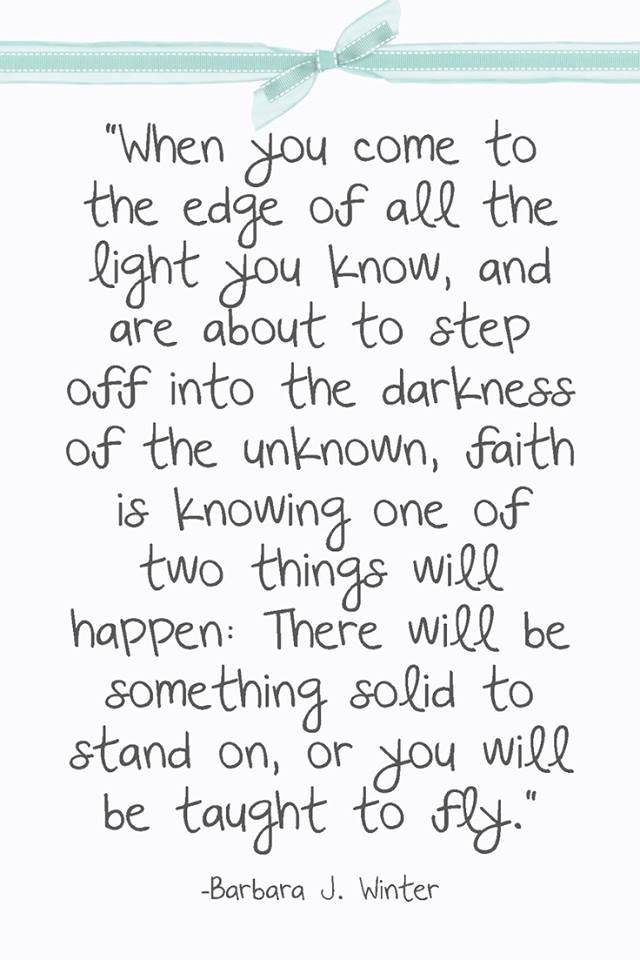
 The recent events in Paris and now San Bernadino, CA ,and Savannah, GA are just the latest in the string of unthinkable losses that befall us each and every day. Somewhere on the planet someone is experiencing their own horrific trauma. Rest assured, whether we are consciously aware of it or not, we all feel it. No one is exempt from these gut-wrenching emotions, not even terrorists.
 Soul of the Seasons: