


The following is excerpted from my upcoming book, Soul of the Seasons…
I have always felt my world intensely—some might even say, theatrically. I’ve even been called a “drama queen” a time or two. Though the reasons for emotional reactivity are varied and complex, I have worked hard to become a master of my emotional responses rather than a hyper-reactive slave to them. Mastery, of course, is always a work in progress.
As a result of my intense emotional expressiveness I have often been labeled “too sensitive,” or over-reactive, that I’m an attention-seeker. One idea I have always resisted, however, is that emotional expression, however intense, is inappropriate. From my perspective, I simply refused to have my feelings ignored, dismissed, or discounted. In the past, if anyone so much as hinted that I was being “too emotional,” that I should “calm down,” I promptly emoted all over everything and everyone. No reactivity there, right?
When we were little and cute we were more graciously allowed to freely emote in response to our world. Adults might have even found our emotional expressions amusing and perfectly normal. We giggled and frowned, we earnestly cried out our sadness and bitterness and grief. We might have pitched fits of anger when our outer world refused to respond to our inner needs.
At some point—for some of us, painfully early in life—in response to our emotional expressions we were likely told to “grow up” or “settle down” or be “good.” We may have been taught that good girls should not express anger but instead smile and look pretty. We may have been told that big boys shouldn’t cry or show vulnerability. “Shake it off!” might have been the prescribed response to pain and hurt, any anything less showed weakness—something to be avoided at all costs.
“Boys must never be weak,” is a message that is still imprinted in our psyche. When expressing strong emotion we might have even been spanked or called names like “crybaby” or “sissy” or “bitch.” My childhood was filled with messages not so different from these.
There is woefully little sacred space for the expression of authentic emotion in our culture. Instead of being initiated into the wonderful world of emotion when we are young, we learned to judge (or discount or dismiss) our feelings. We may have learned to criticize them as bad, wrong, or inappropriate instead of shining the light of truth onto the nature of our emotional responses. Instead of authentically feeling and then releasing emotion, we have trained the mind to analyze difficult situations. We move away from uncomfortable feelings and make more “rational” decisions.
In our need to detach from our discomfort we often explain away or “spiritualize” our emotions. (Love is the only answer!) We may come to believe that calm (read emotionless) rationalization is far superior to honestly expressing our emotions as they arise. However, our more challenging emotional states—especially those we label “bad” or “negative”—are really invitations to make choices that are in keeping with our Divine Destiny.
 For instance, our anger and frustration with life’s challenges can be transformed into the emotional and physical fuel necessary to carry out our vision. Our deep longing for joy can transform the pain and loneliness of a broken heart into the deep connection that lies within authentic relationship. Indifference or a lack of nurturing can be transformed into a more grounded appreciation for our talents and accomplishments. Our hurt and anger over being disrespected can be transformed into a much-needed time of reflection and the opportunity for rebirth. Fears over an uncertain future can transform into the birth of new visions. And so it goes with the cycles of life, the energy and wisdom of one season feeds and nourishes the next.
Our core emotions of grief, anger, and fear are not character flaws to be pounded into submission or doggedly eliminated. They are part of our holy human state. Our emotions possess sacred medicine, a medicine that helps us to move with authenticity and integrity through the seasons of life. With a willingness to become vulnerable to our humanity and our emotions, we can learn to live with more grace, kindness, and tenderness for all, and most especially, for ourselves.
Our bodies possess an innate intelligence that is infused into our very cells. Each cell is encoded with the capacity transmit information. Our cells not only have their own awareness they also possess awareness of all other bodily cells, and, of the surrounding environment. This sophisticated system of internal (and external) intelligence through cellular communication provides the capacity to function without continually engaging in active conscious thought—that, would be exhausting. Fortunately, we do not have to continually remind our heart how to beat or our lungs to take a breath.
Our cells also possess emotional memory that can activate visceral responses to certain smells, sounds, or circumstances. These stimuli have the ability to trigger powerful emotional experiences anchored in the past. It’s why, though Grandma may have died five years ago, the smell of cinnamon rolls evokes the same feelings of comfort we experienced while sitting in her kitchen, or how the sound of a train whistle can stir up the loneliness we felt when Dad left us decades ago.
Recognizing the physical resonances unique to each emotion can help us become more responsive to the circumstances at hand, instead of reacting out of impulse. And when we pay close attention to our emotional signals we can more easily identify what we are feeling in the moment—the only place we have the ability to make a choice. With this conscious awareness we can then more artfully navigate the difficult seasons, and appreciate the more inviting ones. We can more effectively meet our unmet needs instead of repressing or self-medicating our feelings away.
Your emotions have much to teach you. Introduce yourself to them. Consider them as living beings with whom you will interact with the utmost love and respect. Be willing to learn how each core emotion moves, motivates, and inspires you. Re-contextualize yourself to your anger, joy, sympathy, grief, and fear. Be willing to see them from a different light. Develop an intimacy with the places where you feel most vulnerable. Let your heart break wide open to your anger—and, to your joy. Learn to dance with both your generosity, and your loss. Make a sacred space for your emotions in your life, a place of belonging that is free of judgment.
Food for Thought:
How do you express yourself emotionally?
Which emotion are you most afraid of?
Which emotion are you most comfortable with?
How do you move with anger? With joy?
With Blessings and Grace,
Melody
Melody A Scout is an author and Intuitive Spiritual Advisor. Her deep connection to the natural world has influenced her work as a Sacred Landscape Consultant and Plant Spirit Medicine practitioner. She is currently writing a book called Soul of the Seasons which explores the wisdom embedded within the seasonal cycles of the natural world and how to find balance and joy in both our inner and outer landscapes.
 I awoke today in the dark pre-dawn hours to the news of the Las Vegas shootings. A familiar and heavy pain in my heart deepened as I groaned, “Not again!” I scanned my social media accounts over my morning coffee, scrolling through comments that have become heartbreakingly commonplace: “When will it be enough?” “What is wrong with this country?” “How bad does it have to get?”
 Perhaps the thing we need the most to quell the explosion of violence in our communities is the thing we need the most in ourselves: To be heard. To be seen. To be honored. To be understood. To be loved. To
  In Five Element medicine, Spring is the season of expansive new growth, both in the natural world, and, on our inner landscapes. Spring is also the season where we see (or renew) our visions and goals. It is the season where the old gives way to the new in an explosive burst of new growth.
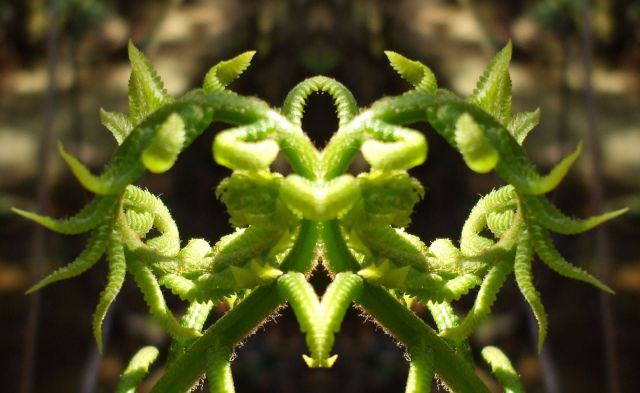 Spring is one of my very favorite times of year. As Spring enters the natural world it awakens flora and fauna from their winter slumber in order to reveal and fulfill God’s purpose for them on Earth–the vision of who and what they will become.
 The Decider works hand-in-hand with Liver, AKA: The Planner. The Planner helps us through the ability to; make well-thought out plans that account, not only for today’s needs, but our needs long into the future and does so with a deep sense of fairness, kindness, foresight, generosity and warmth.
 Sometimes I just don’t want to do the more spiritually elevated thing, I just don’t. The most recent presidential election has been just one of those occasions. In the days following the election results I found myself reeling from the wash of emotions coursing through my veins, cycling through my gut, and sharply piercing my heart. Shock. Dismay. Disbelief. Anger. Fear. Heartbreak. Grief, grief, and more grief.
 Metal is the element that best reflects the qualities of grief. Like Metal, grief is brittle and sharp, swiftly cutting to the core of the matter. It surgically slices away any excess. It excises what is dead or dying, leaving only what is essential to sustain life. This cutting away (loss) is the painful but necessary step in the journey toward restoration and creation.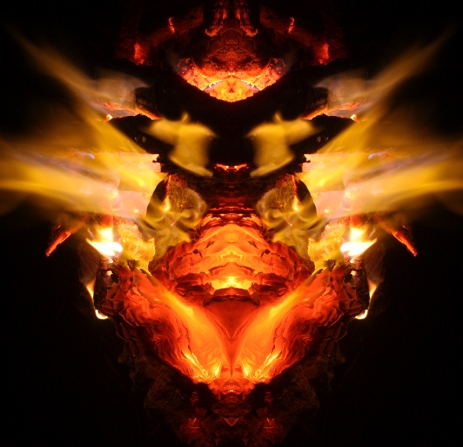
 The recent events in Paris and now San Bernadino, CA ,and Savannah, GA are just the latest in the string of unthinkable losses that befall us each and every day. Somewhere on the planet someone is experiencing their own horrific trauma. Rest assured, whether we are consciously aware of it or not, we all feel it. No one is exempt from these gut-wrenching emotions, not even terrorists.
 Soul of the Seasons: